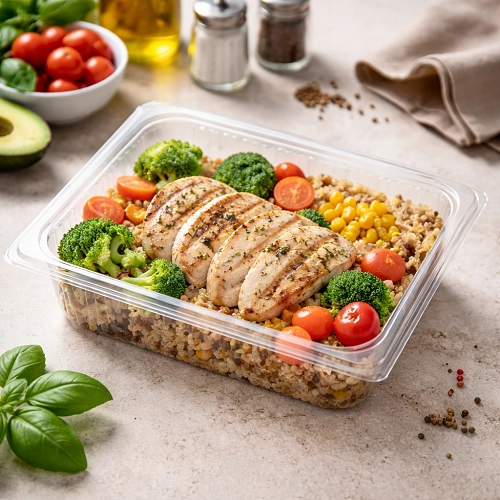

In today’s fast-paced food industry, packaging is no longer just about containment—it is a critical component of product quality, shelf life, and consumer trust. Among the most innovative solutions gaining traction is the lidding film food packaging approach, a method that combines efficiency, protection, and visual appeal.
What Is Lidding Film Food Packaging?
Lidding film packaging refers to a flexible film layer that is sealed onto a rigid or semi-rigid container—such as trays, cups, or tubs—to create a secure closure. This film acts as a protective barrier, preserving the contents while offering convenience for both manufacturers and consumers.
Typically, lidding films are made from multi-layer materials, including combinations of polyethylene (PE), polypropylene (PP), polyethylene terephthalate (PET), or aluminum. These layers are engineered to deliver specific properties such as heat resistance, oxygen barriers, and peelability.
Key Features and Functional Advantages
1. Enhanced Product Protection
Lidding films provide an airtight and tamper-evident seal, reducing the risk of contamination. They can also incorporate modified atmosphere packaging (MAP) techniques, which replace oxygen with gases like nitrogen or carbon dioxide to slow spoilage.
2. Extended Shelf Life
By controlling moisture, oxygen, and light exposure, lidding films significantly extend the freshness of perishable goods. This is especially critical for meat, dairy, and ready-to-eat meals.
3. Convenience and User Experience
Modern lidding films are designed with easy-peel technology, allowing consumers to open packages without tools. Some variants are resealable, adding further convenience.
4. High Clarity and Branding Opportunities
Transparent films allow consumers to see the product inside, boosting confidence and appeal. Additionally, films can be printed with high-quality graphics for branding and regulatory information.
5. Compatibility with Automation
Lidding films integrate seamlessly with high-speed packaging lines, making them ideal for large-scale food production.
Common Applications in the Food Industry
Lidding film packaging is widely used across multiple food categories:
- Fresh Produce: Fruits and vegetables packaged in trays with breathable films
- Dairy Products: Yogurt cups, cheese trays, and butter containers
- Meat and Seafood: Vacuum-sealed or MAP trays for extended freshness
- Ready Meals: Microwaveable trays sealed with heat-resistant films
- Snacks and Desserts: Single-serve cups and portion-controlled packaging
Types of Lidding Films
Peelable Films
Designed for easy removal without tearing, commonly used in consumer-facing products.
Resealable Films
Allow multiple openings while maintaining freshness—ideal for snacks and deli items.
High-Barrier Films
Provide superior protection against oxygen and moisture, often used for sensitive products like meats.
Anti-Fog Films
Prevent condensation buildup, ensuring product visibility even in refrigerated conditions.
Sustainability Considerations
As environmental concerns grow, the packaging industry is evolving. Lidding films are now being developed with:
- Recyclable mono-material structures
- Biodegradable and compostable materials
- Reduced plastic thickness without compromising strength
Manufacturers are also focusing on minimizing waste and improving energy efficiency during production.
Challenges and Limitations
Despite its advantages, lidding film packaging does face some challenges:
- Material Complexity: Multi-layer films can be difficult to recycle
- Cost Factors: High-performance films may increase packaging costs
- Seal Integrity: Requires precise temperature and pressure control during sealing
Addressing these issues is a key focus for ongoing innovation.
Future Trends and Innovations
The future of lidding film packaging is promising, with several emerging trends:
- Smart Packaging: Integration of sensors to monitor freshness and temperature
- Active Packaging: Films that absorb oxygen or release antimicrobial agents
- Digital Printing: Customization and short-run packaging for niche markets
- Eco-Design: Continued push toward fully sustainable packaging solutions
Lidding film food packaging represents a sophisticated balance of protection, efficiency, and consumer convenience. As technology advances and sustainability becomes a central concern, this packaging method is poised to play an even more significant role in the global food supply chain. For manufacturers and consumers alike, it offers a reliable solution that meets modern demands without compromising on quality or safety.